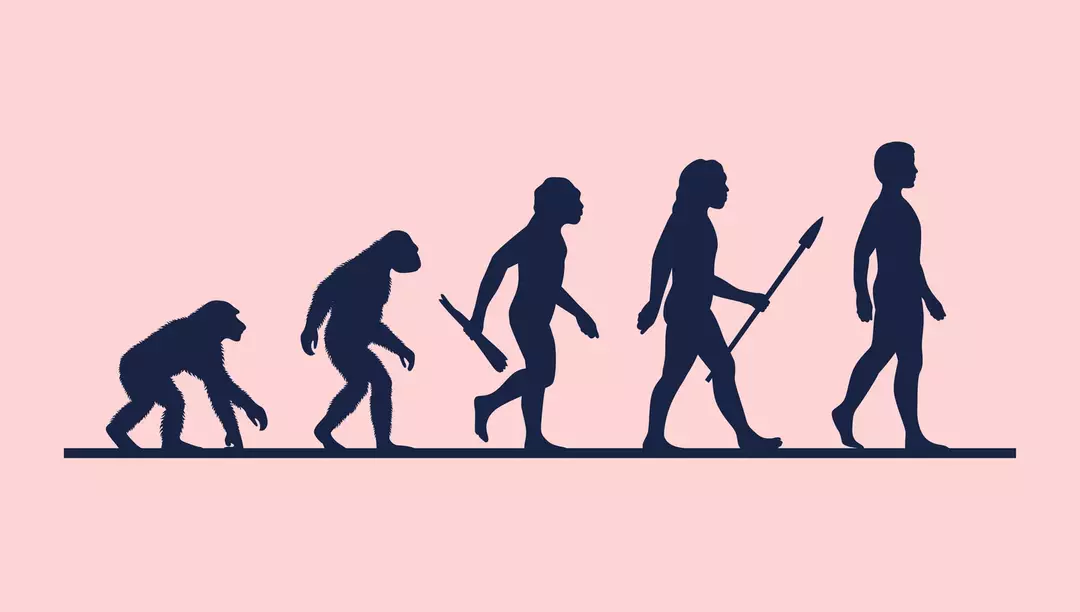
Scientists Claim Humanity Is Evolving Faster Than Ever — Right Now
For a long time, it’s been easy to assume that human evolution slowed down after we branched off from apes. But a new paper argues that our species is still very much evolving — just in a different way.
Sure, we’ve seen quirky biological traits like our fingers wrinkling after long exposure to water (a helpful grip adaptation, not quite the first step toward living underwater). And while the idea of humans developing superpowers is fun to imagine, researchers say what’s happening now is far more significant: cultural evolution.
Timothy M. Waring, associate professor of economics and sustainability at the University of Maine, writes: “Human evolution seems to be changing gears.
“When we learn useful skills, institutions or technologies from each other, we are inheriting adaptive cultural practices.

“On reviewing the evidence, we find that culture solves problems much more rapidly than genetic evolution. This suggests our species is in the middle of a great evolutionary transition.”
In other words, it’s less about changes to our DNA and more about how our societies and technologies are shaping us.
Zachary T. Wood, a researcher in ecology and environmental sciences, agrees: “Cultural evolution eats genetic evolution for breakfast, it’s not even close.
“Ask yourself this: what matters more for your personal life outcomes, the genes you are born with, or the country where you live?
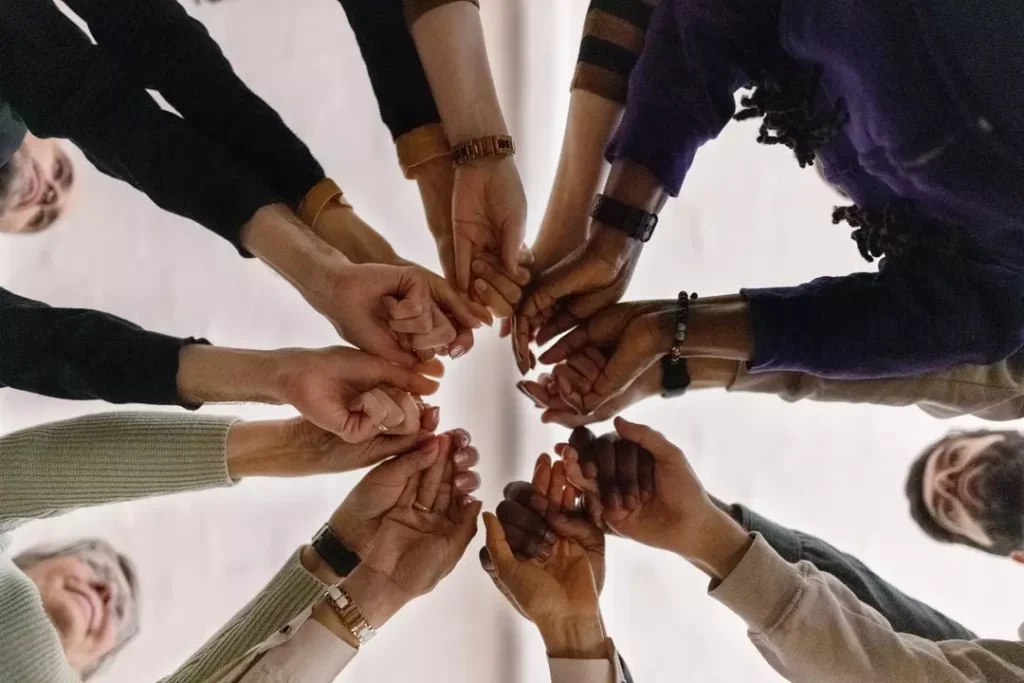
“Today, your well-being is determined less and less by your personal biology and more and more by the cultural systems that surround you — your community, your nation, your technologies. And the importance of culture tends to grow over the long term because culture accumulates adaptive solutions more rapidly.”
The researchers point to the coronavirus pandemic as a prime example. Humanity quickly adapted through mass lockdowns, coordinated scientific efforts, and the creation of vaccines, forming what they call a kind of “national immune system.”
Waring explains: “Cultural organisation makes groups more cooperative and effective. And larger, more capable groups adapt — via cultural change — more rapidly.
“It’s a mutually reinforcing system, and the data suggest it is accelerating.
“If cultural inheritance continues to dominate our fates as individuals, and the future of our species, may increasingly hinge on the strength and adaptability of our societies.”